
Small changes can often be the first signs of myopia, or nearsightedness, a common vision condition where faraway objects appear blurry. You may notice your child squinting to see the television or moving closer to the whiteboard at school. For many families, these changes seem to happen overnight, but you can find clarity with an optometrist.
As your child grows, their vision can change. A child’s myopia can progress rapidly, especially during growth spurts and busy school years, but the exact rate is different for every child. It’s important to notice these changes so you take proactive steps to support their eye health.
What Is Myopia and Why Does It Worsen?
Myopia, or nearsightedness, happens when the eye grows a little too long from front to back, or the cornea becomes too curved. This causes light to focus in front of the retina rather than directly on it, making distant objects look fuzzy and unclear while close-up vision remains sharp.
Your child’s vision is shaped by a mix of genetics and daily habits. If you or your partner has nearsightedness, your child may be more likely to develop it. Daily activities also play a big part. Long hours of reading, homework, and screen time can accelerate the rate of vision change.
How Quickly Can a Child’s Vision Change?
Just as your child outgrows shoes and clothes, their eyes grow too. During a growth spurt, the eyeball can lengthen more quickly, which can cause myopia to progress at a faster rate. You might notice your child’s prescription changes more significantly during these periods of rapid physical development.
Hours spent focused on books, tablets, and computers keep your child’s eyes locked on near tasks. This sustained effort can put a strain on their visual system. Over time, the eyes may adapt to this constant close work, which can worsen myopia, especially during the school year when homework and digital learning are at their peak.
Spot the Signs and Act Early
Your child might not say, “I can’t see.” Instead, their behaviour can give you clues that their vision is changing. Pay attention to these subtle signs, as they often point to a developing vision issue that needs attention:
- Squinting to see the TV or whiteboard
- Sitting closer to screens
- Holding books or tablets very close to their face
- Frequent eye rubbing
- Complaints of headaches, especially after school
- A drop in school performance
Sometimes, another adult is the first to spot a problem. A teacher might mention that your child is having trouble reading the board, or a coach might notice they struggle to see the ball from a distance. This feedback is valuable and can be an early indicator that it’s time for an eye exam.
What You Can Do to Support Your Child’s Vision
Managing myopia is about more than just stronger glasses each year. Taking action early can help slow down how quickly your child’s prescription changes. This proactive approach supports their overall eye health as they grow into adults and may reduce the risks associated with high myopia later in life.
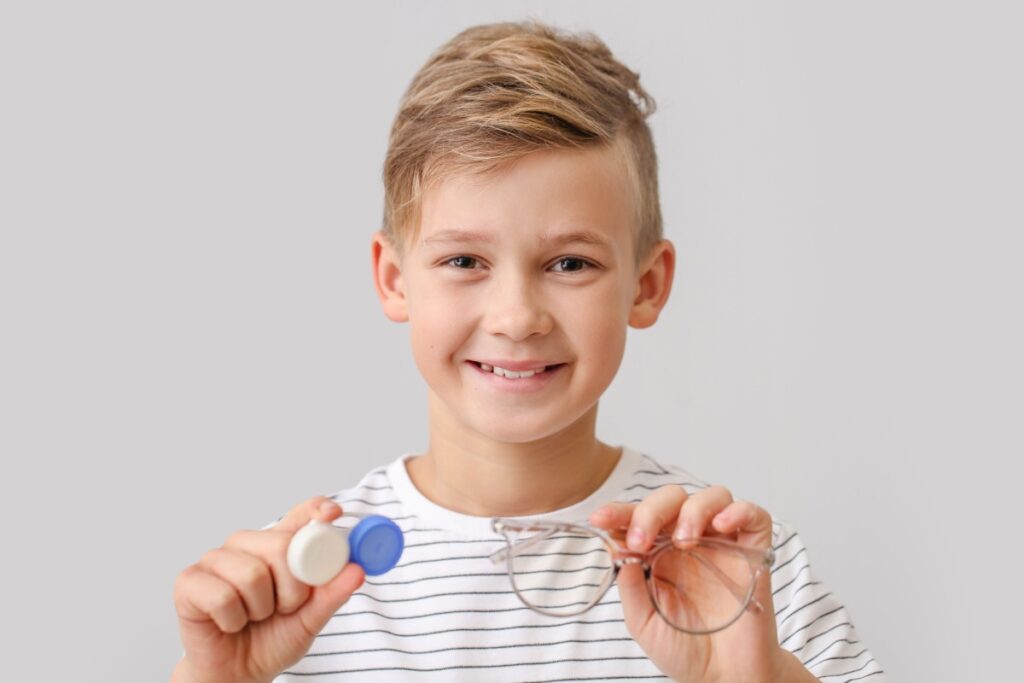
With the right kids’ glasses or other vision correction, they can participate more confidently in the classroom, enjoy sports without frustration, and read without getting tired eyes or headaches. Addressing vision changes helps them feel more comfortable and successful in everything they do. Here are some ways you can do just that:
Encourage More Outdoor Time
Spending time outdoors gives your child’s eyes a break from close-up focus. Natural daylight and the chance to look at distant objects help their eye muscles relax. Aim for regular outdoor play each day to help balance the demands of schoolwork and screen time.
Set Up Healthy Screen Habits
Simple routines can reduce eye strain. You can introduce the 20-20-20 rule: every 20 minutes, they should look at something 20 feet away for 20 seconds. Also, check that their study space is well-lit and that they keep a comfortable distance from screens and books.
Schedule Regular Eye Exams
An annual eye exam is one of the most effective ways to monitor your child’s vision. These appointments track any changes in their prescription and overall eye health. It provides a clear picture of how their eyes are developing and what support they may need.
Explore Myopia Management for Your Child
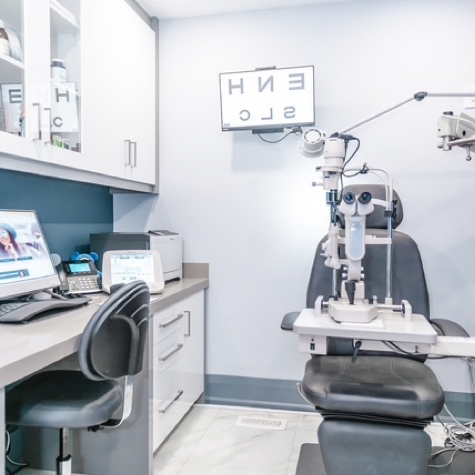
The first step toward understanding your child’s vision is a comprehensive eye exam. This assessment goes beyond a simple vision screening to check the health of their eyes and accurately measure their prescription. It provides the information needed to create a personalized plan.
After a thorough assessment, the eye care team at Dr. Zargar Eyecare can discuss effective myopia management options tailored to your child’s needs and lifestyle. We’re ready to help you navigate these choices and find a suitable path for your child’s vision.
Schedule a consultation to get started.