You wake up, look in the mirror, and there it is—a puffy, tender lump on your eyelid that definitely wasn’t there yesterday. It might sting when you blink, or it might just sit there, firm and annoying, without any pain at all. Either way, it’s hard to ignore something sitting right on your eye. At Dr. Zargar Eyecare, our team sees these kinds of eye concerns regularly, so we know how unsettling an unexpected bump can be.
A bump on your eyelid is most likely a stye or a chalazion—two common eyelid conditions linked to blocked oil glands. Knowing which one you’re dealing with can help you figure out what to do next. If you’re also noticing dry, irritated eyes alongside the bump, it may be worth reading about how underlying conditions can affect your eye glands and overall eye comfort.
Stye vs. Chalazion—What’s the Difference?
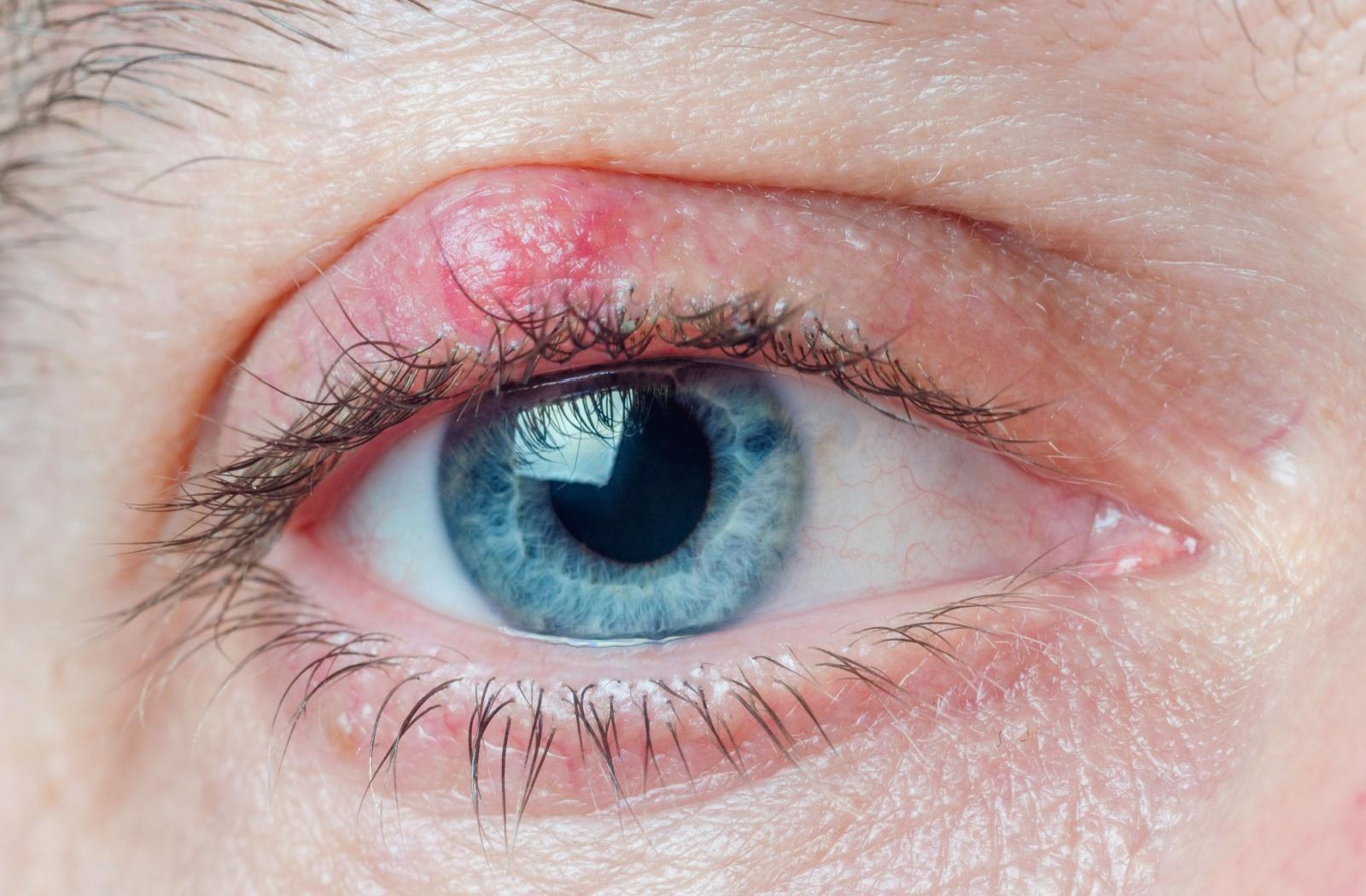
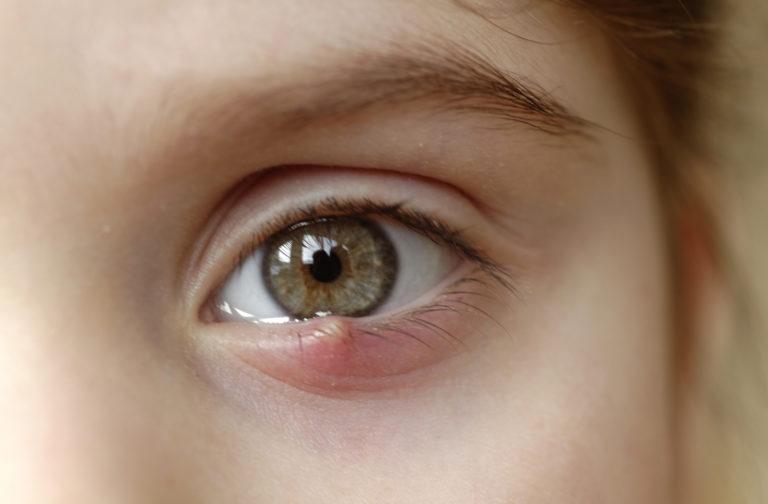
A stye shows up as a red, painful lump right along the edge of your eyelid, often near the base of your lashes. It tends to feel sore to the touch and can make your eye feel irritated and watery. A chalazion, on the other hand, sits a little farther back on the lid and doesn’t usually hurt at all—it just feels like a firm, slow-growing knot under the skin.
Both conditions start the same way: an oil gland in your eyelid gets blocked, causing fluid to build up. A stye is typically more of an active infection, while a chalazion forms when that blockage becomes a hardened cyst over time. The good news is that both conditions can often be treated at home.
Signs & Symptoms to Watch For
Stye Symptoms
A stye usually makes itself known quickly. You’ll feel tenderness before you even see the bump, and the area around it often turns red and becomes slightly swollen.
The discomfort caused by a stye can range from mildly annoying to enough to make blinking feel uncomfortable. Most styes look a bit like a pimple and may even develop a small yellow or white spot at the centre.
Chalazion Symptoms
A chalazion tends to develop more slowly and quietly, starting as a small, hard lump that gradually gets bigger over a few weeks.
Because chalazions sit deeper in the lid, they can occasionally press against the surface of your eye and cause temporary blurring. If this is happening to you, it’s worth getting your eye checked sooner rather than later.
What Contributes to a Bump On Your Eyelid?
Your eyelids are lined with tiny oil glands that keep the surface of your eye lubricated. When one of these glands gets clogged, it can back up and swell, causing a stye or chalazion.
The following factors make styes and chalazions more likely:
- Clogged oil glands in the eyelid
- Touching your eyes with unwashed hands
- Leaving makeup on overnight or using old cosmetics
Old mascara and expired eyeliner can introduce bacteria to the lid margin, making blockages more likely. Rubbing your eyes after touching your phone or keyboard is another easy way to transfer bacteria right where you don’t want them. Keeping up with good eyelid hygiene—and knowing how meibomian gland dysfunction develops—can go a long way toward reducing how often these bumps appear.
How to Get Rid of an Eyelid Bump at Home
Warm Compress—The First Step
Warm compresses are the go-to first move for both styes and chalazions. The heat of a compress helps loosen the blocked gland, so that it can drain on its own. Soak a clean cloth in warm water, hold it gently against your closed eyelid for 5 to 10 minutes, and repeat several times a day.
After the compress, a gentle massage along the eyelid can help encourage the gland to open up. Use a clean fingertip and apply light pressure—you’re just nudging things along, not forcing anything.
What To Avoid
It’s tempting to squeeze a stye the way you would a pimple, but doing so can push bacteria deeper into the tissue and make things worse. The same goes for a chalazion—popping or pressing hard on it won’t help it clear faster.
- Never squeeze or pop a chalazion or stye
- Avoid sharing eye makeup or contact lens cases
Sharing eye makeup is one of the fastest ways to spread the bacteria that contribute to these bumps. If you’ve had a stye recently, replacing your mascara or eyeliner is a simple step worth taking.
When to See an Optometrist
Home care handles most eyelid bumps within a week or two, but some situations call for a closer look. If any of the following apply to you, it’s a good time to book an appointment with a Richmond Hill optometrist.
- No improvement after 48 hours of home care
- Swelling spreads beyond the eyelid area
- Vision becomes blurry or the bump keeps returning
Recurring chalazions in particular can sometimes point to an underlying condition affecting the oil glands. Your optometrist can help identify what’s going on and discuss your next steps. A comprehensive eye exam gives your eye doctor a chance to assess the health of your eyelids and glands up close.
If that bump on your eyelid isn’t clearing up on its own, our team at Dr. Zargar Eyecare is here to help. Contact us to book an eye exam and get some answers—your eyes will thank you for it.