Back-to-school season arrives with new supplies, a fuller schedule, and often an updated glasses prescription. If your child’s prescription changes again after a year, it can leave you wondering why last year’s glasses no longer feel strong enough. A children’s eye exam can help show whether myopia progression or another vision concern is behind the change.
Some children need stronger glasses as their eyes continue to grow, but a prescription does not necessarily change every year. When it does, myopia progression is one possible reason. Family history raises risk, and long periods of near work may also be associated with faster progression, especially when outdoor time gets squeezed out of the week.
Why Your Child’s Glasses Prescription Can Change
Your child’s eyes keep developing right through the school years. As the eyeball lengthens, light focuses in front of the retina rather than directly on it, and anything at a distance goes soft. Optometrists call this myopia, or nearsightedness.
Genetics carry real weight here. Kids with a nearsighted parent tend to develop myopia earlier and progress at a quicker rate.
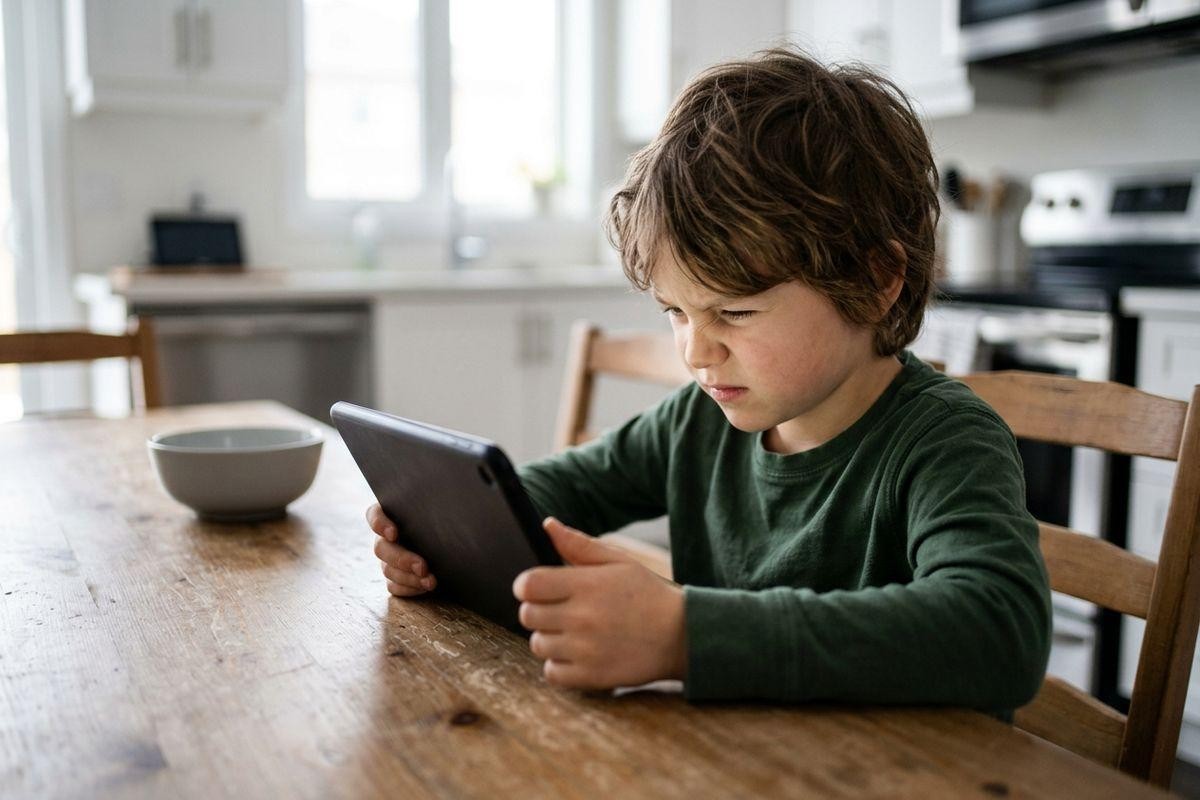
Long periods of near work may be associated with myopia progression. Reading, worksheets, tablets, and video games all ask the eyes to hold a close focus for long stretches, and the school calendar can stack those hours together.
Signs Your Child May Need New Glasses
Kids rarely announce that their vision has changed. Blurriness builds slowly, so your child might assume the board looks fuzzy for everyone in the room. Watch for a few habits instead:
- Squinting at the board, street signs, or the television
- Holding books and tablets close to the face
- Headaches after school or after a long stretch of reading
- Losing their place on the page or skipping lines
- Sitting closer to the screen than they used to
If you notice any of these signs, book an eye exam. Focusing trouble and eye teaming problems can produce similar complaints, so the exam looks at more than the prescription alone.
How the School Year Changes the Picture
Homework hours climb once September hits, and more of that work happens on a screen. Daylight often runs out before the last assignment gets finished.
Make room for outdoor time where your schedule allows. Bright natural light and long sightlines give the visual system a different job than a desk does. Research suggests that roughly 1 hour outside each day may help reduce the risk of developing myopia, but it does not replace monitoring or myopia-management care when a prescription is changing.
Screens are one source of near work. A paperback held a few centimetres from the nose counts too, so aim for habits your child will actually keep.
Myopia Management Options For Children
Standard glasses sharpen distance vision and leave the rate of change alone. Myopia management tries to slow that rate. Ask your optometrist about the options below:
- Specialized glasses, including MiYOSMART and Stellest lenses
- MiSight soft contact lenses for children with progressing myopia
- Orthokeratology (ortho-k) lenses, worn overnight to temporarily reshape the cornea
- Low-dose atropine drops, used as directed by your optometrist
None of these cure myopia. They’re designed to slow how quickly the eye lengthens while your child is still growing. Your optometrist will weigh age, current prescription, hygiene habits, and how your child spends their afternoons before recommending anything.
Habits That Fit Into Family Life
Small routines at home support the plan without turning into a nightly argument. Try a few of these:
- Send everyone outside after school, even for 20 minutes
- Build a short screen break into every homework session
- Keep books and tablets about an elbow’s length from the eyes
- Set homework up at a table with decent lighting rather than on a bed
Pick 1 or 2 to start. Habits stick better when they don’t arrive all at once.
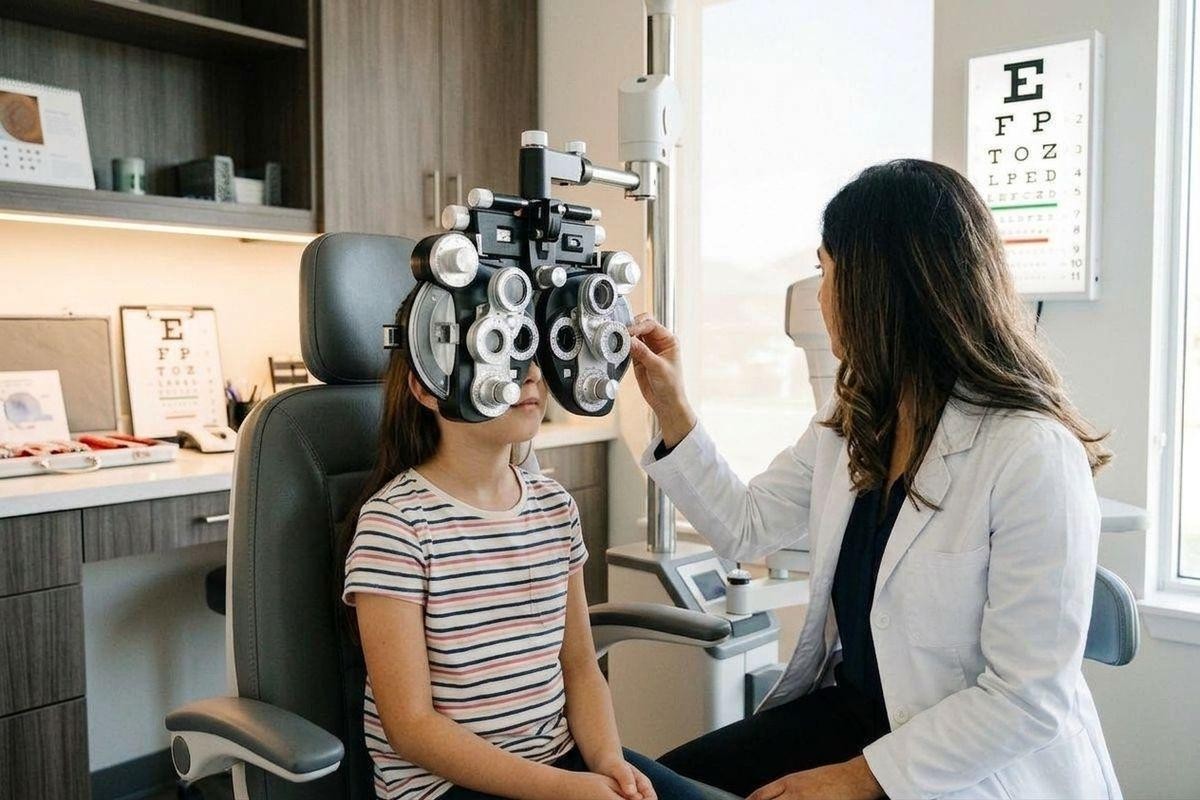
What Happens at a Child’s Eye Exam
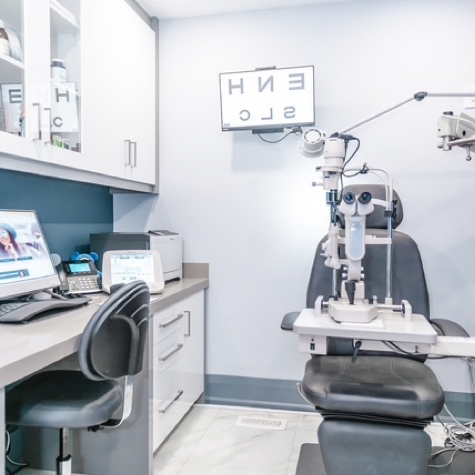
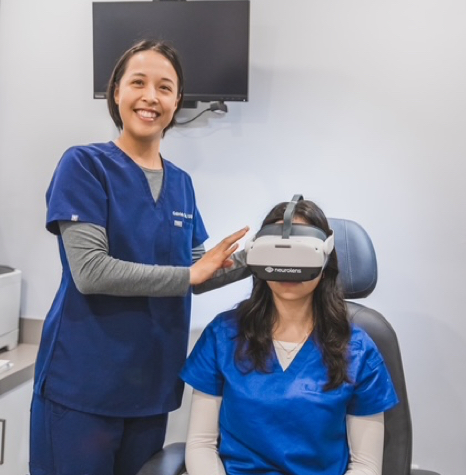
One exam gives you a snapshot, while a series of them shows the pattern. An optometrist can track how much the prescription moves each year and flag a faster rate early. Expect the visit to cover:
- Clarity at distance and up close
- How well both eyes focus and work together as a pair
- The health of the retina and the other structures inside the eye
- An updated prescription for glasses or contact lenses
- A recheck schedule matched to your child’s risk
Some kids need closer monitoring through growth spurts, while others hold steady for a couple of years. Follow-up visits replace guesswork with information you can act on.
Ready to Sort Out That Prescription?
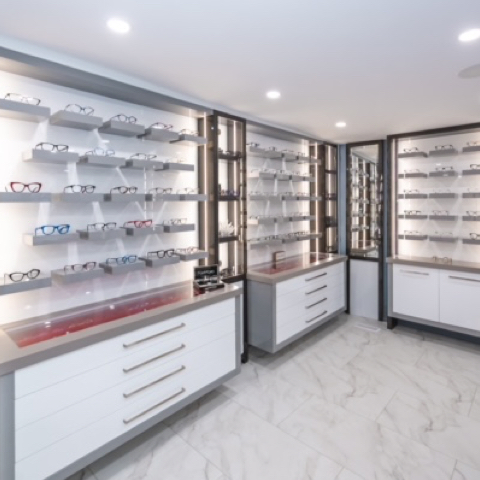
Stronger lenses every year make a lot more sense once you can see the pattern behind them. At Dr. Zargar Eyecare in Richmond Hill, families find a modern, welcoming approach to children’s vision care, with plenty of time to ask questions and talk through what the results mean.
Book a children’s eye exam, review your child’s myopia risk with the team, and put a plan in place for school, sports, and everything in between.